Pears have a quiet nutritional power that most people overlook. At 57 kcal per 100 g, they contain 15.2 g of carbohydrates with 9.8 g of natural sugar, offering a mild sweetness that never overwhelms. What sets pears apart is their fiber content — 3.1 g per 100 g, roughly 30 % more than apples — with a high proportion of insoluble fiber that keeps digestion moving. Only 0.4 g of protein and 0.1 g of fat means the calorie count stays low, while 84 g of water provides solid hydration. The grainy texture that gives pears their characteristic mouthfeel comes from stone cells (sclereids), which are actually bundles of lignin and cellulose that add to the fiber count.
Vitamin C provides 4.3 mg per 100 g, modest but complemented by the fruit's significant copper content (0.082 mg, about 9 % DV) — copper is relatively rare in fruits and plays a vital role in iron metabolism, connective tissue formation, and neurological health. Vitamin K (4.4 mcg) supports blood clotting and bone density. Potassium (116 mg) helps regulate blood pressure and muscle function. Pears are notably low in common allergens and are one of the first fruits introduced to infants precisely because they rarely trigger reactions. The skin holds most of the fiber and polyphenols — peeling a pear removes up to 40 % of its total antioxidant capacity.
Most pears ripen from the inside out, so pressing the neck gently near the stem is the best test — when it yields slightly, the interior is ready. Bartlett pears change color as they ripen (green to yellow), but most varieties like Anjou and Bosc stay the same color, so the neck test is essential. Poach pears in red wine with cinnamon, star anise, and a strip of orange peel at a gentle simmer for 25 minutes — the tannins penetrate beautifully and the fruit holds its shape. Slice raw pears into salads with walnuts, gorgonzola, and a honey vinaigrette for a classic fall combination. Store unripe pears at room temperature and move to the fridge once ripe — they hold for up to five days when chilled.
| Nutrient | Per 100 g | Per serving |
|---|---|---|
| Calories | 57 kcal | 101 kcal |
| Protein | 0.4 g | 0.7 g |
| Fat | 0.1 g | 0.2 g |
| Carbohydrates | 15.2 g | 27.1 g |
| Fiber | 3.1 g | 5.5 g |
| Sugar | 9.8 g | 17.4 g |
| Water | 84 g | 149.5 g |
| Vitamins & Minerals | ||
| Vitamin C | 4.3 mg | 5% |
| Vitamin K | 4.4 µg | 4% |
| Copper | 0.082 mg | 9% |
| Potassium | 116 mg | 2% |
| Serving | Calories | Protein | Fat | Carbohydrates |
|---|---|---|---|---|
| 100 g | 57 kcal | 0.4 g | 0.1 g | 15.2 g |
| Medium (178 g) | 101 kcal | 0.7 g | 0.2 g | 27.1 g |
| Large (230 g) | 131 kcal | 0.9 g | 0.2 g | 35.0 g |
| Food | Calories | Protein | Fat | Carbohydrates |
|---|---|---|---|---|
| Pear | 57 kcal | 0.4 g | 0.1 g | 15.2 g |
| Lemon | 29 kcal | 1.1 g | 0.3 g | 9.3 g |
| Watermelon | 30 kcal | 0.6 g | 0.2 g | 7.6 g |
| Strawberry | 32 kcal | 0.7 g | 0.3 g | 7.7 g |
| Peach | 39 kcal | 0.9 g | 0.3 g | 9.5 g |
Use our calorie calculator to find your daily calorie needs.
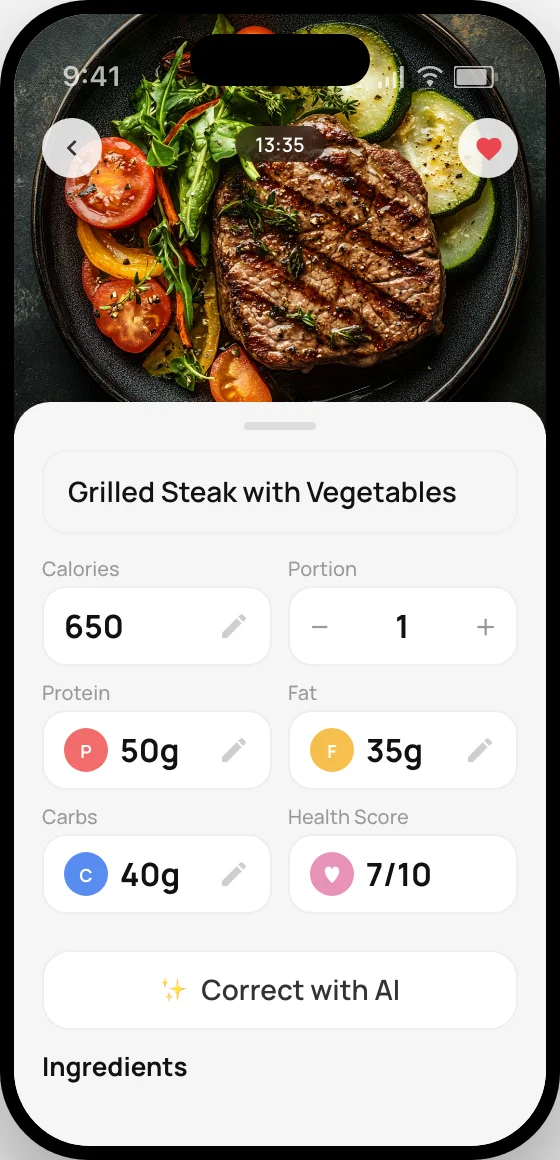
Snap a photo of your meal — CalZen AI instantly calculates calories, protein, carbs, and fat. No manual entry needed.