Grapes have shaped human civilization for over eight thousand years — first as a food, then as wine, and today as one of the most popular snack fruits worldwide. At 69 kcal per 100 g, they carry 18.1 g of carbohydrates with 15.5 g of natural sugar, making them among the sweetest raw fruits by weight. The 0.9 g of fiber is modest, but 80.5 g of water keeps them refreshing. With 0.7 g of protein and just 0.2 g of fat, grapes are essentially nature's candy — portable, seedless in most commercial varieties, and satisfying enough to replace processed sweets.
Vitamin K stands out at 14.6 mcg per 100 g (about 12 % DV), essential for blood clotting and directing calcium into bones rather than arteries. Vitamin C provides 3.2 mg for baseline antioxidant support. Potassium (191 mg) aids muscle contraction and blood pressure regulation. Copper (0.127 mg) supports the production of melanin and connective tissue, while manganese (0.071 mg) activates enzymes involved in amino acid and carbohydrate metabolism. The real nutritional story of grapes, however, is resveratrol — a stilbene compound concentrated in the skins of red and purple varieties that has been extensively studied for its cardiovascular and anti-aging effects. Dark-skinned grapes contain significantly more polyphenols than green ones, which is worth considering when you reach for a bunch.
Store grapes unwashed in a ventilated bag in the refrigerator — they keep for up to two weeks this way, but moisture on the skin accelerates mold. Wash only what you plan to eat right now. Freeze grapes on a sheet pan for a cold treat that tastes like sorbet balls; they stay firm enough to eat with your fingers for about five minutes after leaving the freezer. Roast red grapes at 200 °C for 15 minutes with olive oil and a sprig of rosemary until they burst and caramelize — the concentrated sweetness transforms salads, flatbreads, and cheese boards. Pair grapes with walnuts and blue cheese for a classic flavor trio, or blend frozen grapes into a smoothie for natural sweetness without adding sugar.
| Nutrient | Per 100 g | Per serving |
|---|---|---|
| Calories | 69 kcal | 104 kcal |
| Protein | 0.7 g | 1.1 g |
| Fat | 0.2 g | 0.3 g |
| Carbohydrates | 18.1 g | 27.3 g |
| Fiber | 0.9 g | 1.4 g |
| Sugar | 15.5 g | 23.4 g |
| Water | 80.5 g | 121.6 g |
| Vitamins & Minerals | ||
| Vitamin C | 3.2 mg | 4% |
| Vitamin K | 14.6 µg | 12% |
| Potassium | 191 mg | 4% |
| Copper | 0.127 mg | 14% |
| Manganese | 0.071 mg | 3% |
| Serving | Calories | Protein | Fat | Carbohydrates |
|---|---|---|---|---|
| 100 g | 69 kcal | 0.7 g | 0.2 g | 18.1 g |
| 1 cup (151 g) | 104 kcal | 1.1 g | 0.3 g | 27.3 g |
| Handful (50 g) | 35 kcal | 0.3 g | 0.1 g | 9.1 g |
| Food | Calories | Protein | Fat | Carbohydrates |
|---|---|---|---|---|
| Grapes | 69 kcal | 0.7 g | 0.2 g | 18.1 g |
| Lemon | 29 kcal | 1.1 g | 0.3 g | 9.3 g |
| Watermelon | 30 kcal | 0.6 g | 0.2 g | 7.6 g |
| Strawberry | 32 kcal | 0.7 g | 0.3 g | 7.7 g |
| Peach | 39 kcal | 0.9 g | 0.3 g | 9.5 g |
Use our calorie calculator to find your daily calorie needs.
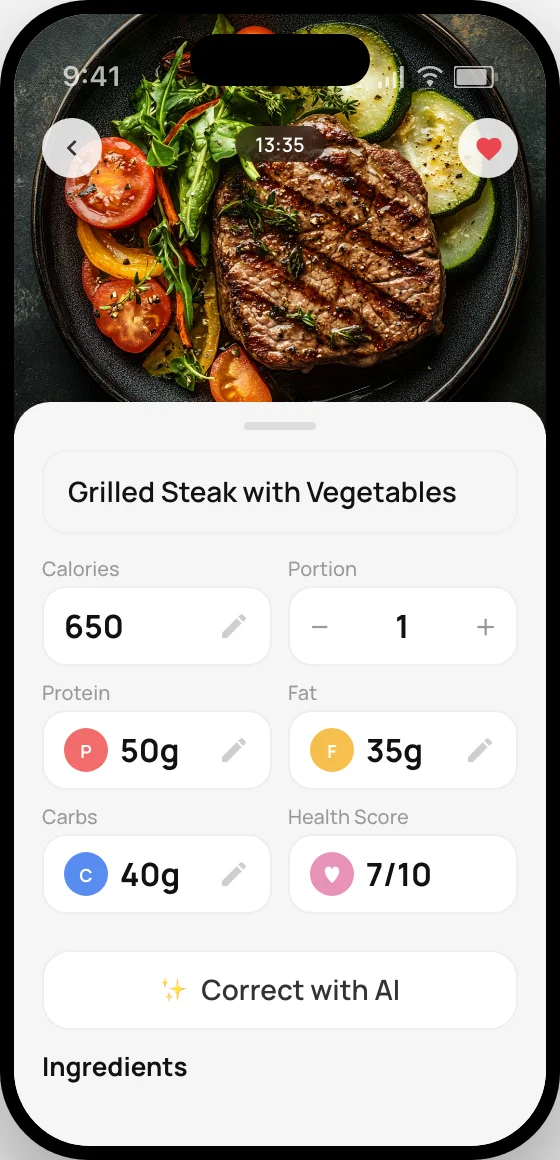
Snap a photo of your meal — CalZen AI instantly calculates calories, protein, carbs, and fat. No manual entry needed.