Greek yogurt is regular yogurt with a simple but transformative twist — the whey is strained off, concentrating the protein and thickening the texture into something rich, creamy, and remarkably satisfying. At just 59 kcal per 100 g, it packs 10.2 g of protein with only 0.7 g of fat and 3.6 g of carbohydrates, making it one of the most efficient protein sources in the entire dairy aisle. The straining process also removes much of the lactose, making it gentler on sensitive stomachs than regular yogurt.
Calcium is notable at 100 mg per 100 g (10% DV), delivered within a protein matrix that enhances absorption and supports bone mineral density. Phosphorus (135 mg) partners with calcium for skeletal strength and ATP energy storage. Vitamin B12 (0.75 mcg, 31% DV) is impressively high for a dairy product, supporting nerve myelination, red blood cell production, and DNA synthesis. Riboflavin (0.278 mg, 21% DV) drives the electron transport chain in mitochondria, converting food into cellular energy. Potassium (141 mg) regulates blood pressure and muscle contraction. Selenium (9.7 mcg, 18% DV) fuels the glutathione antioxidant defense system. Zinc (0.5 mg) supports immune cell maturation, and vitamin B6 (0.063 mg) assists in neurotransmitter synthesis. Sodium is low at 36 mg, making plain Greek yogurt a naturally low-sodium protein option. Cholesterol is minimal at 5 mg. The 3.2 g of sugar is residual lactose — far less than the 12+ grams found in many flavored yogurts that are loaded with added sweeteners. The live bacterial cultures (primarily Lactobacillus and Streptococcus) act as probiotics, supporting gut microbiome diversity.
Plain, unsweetened Greek yogurt is the only version worth buying — flavored varieties often contain 15-20 g of added sugar per serving, negating the health advantages entirely. Sweeten at home with fresh berries, a drizzle of honey, or a sprinkle of cinnamon. As a sour cream substitute, Greek yogurt works beautifully in dips, dressings, baked potatoes, and tacos — saving significant calories and adding protein. Blend it into smoothies for body and creaminess without protein powder. In baking, it replaces butter or oil in a 1:1 ratio for muffins and quick breads, producing a moist crumb with dramatically less fat. Use it as a marinade base for meat — the lactic acid tenderizes proteins while the yogurt forms an insulating coat that prevents charring during grilling (this is the secret behind Indian tandoori). Store in the refrigerator at 1-4 °C and consume within 7-10 days of opening. If liquid pools on top, it is whey — stir it back in, as it contains protein and B vitamins.
| Nutrient | Per 100 g | Per serving |
|---|---|---|
| Calories | 59 kcal | 145 kcal |
| Protein | 10.2 g | 25.0 g |
| Fat | 0.7 g | 1.7 g |
| Carbohydrates | 3.6 g | 8.8 g |
| Fiber | 0 g | 0.0 g |
| Sugar | 3.2 g | 7.8 g |
| Water | 85.1 g | 208.5 g |
| Vitamins & Minerals | ||
| Calcium | 100 mg | 8% |
| Phosphorus | 135 mg | 11% |
| Potassium | 141 mg | 3% |
| Sodium | 36 mg | 2% |
| Zinc | 0.5 mg | 5% |
| Vitamin B12 | 0.75 µg | 31% |
| Riboflavin (B2) | 0.278 mg | 21% |
| Vitamin B6 | 0.063 mg | 4% |
| Selenium | 9.7 µg | 18% |
| Cholesterol | 5 mg | 2% |
| Serving | Calories | Protein | Fat | Carbohydrates |
|---|---|---|---|---|
| 100 g | 59 kcal | 10.2 g | 0.7 g | 3.6 g |
| 1 cup (245 g) | 145 kcal | 25.0 g | 1.7 g | 8.8 g |
| 1 container (170 g) | 100 kcal | 17.3 g | 1.2 g | 6.1 g |
| Food | Calories | Protein | Fat | Carbohydrates |
|---|---|---|---|---|
| Greek Yogurt | 59 kcal | 10.2 g | 0.7 g | 3.6 g |
| Milk (whole) | 61 kcal | 3.2 g | 3.3 g | 4.8 g |
| Kefir | 63 kcal | 3.3 g | 3.5 g | 4.7 g |
| Cottage Cheese | 98 kcal | 11.1 g | 4.3 g | 3.4 g |
| Sour Cream | 198 kcal | 2.4 g | 19.4 g | 4.6 g |
Use our calorie calculator to find your daily calorie needs.
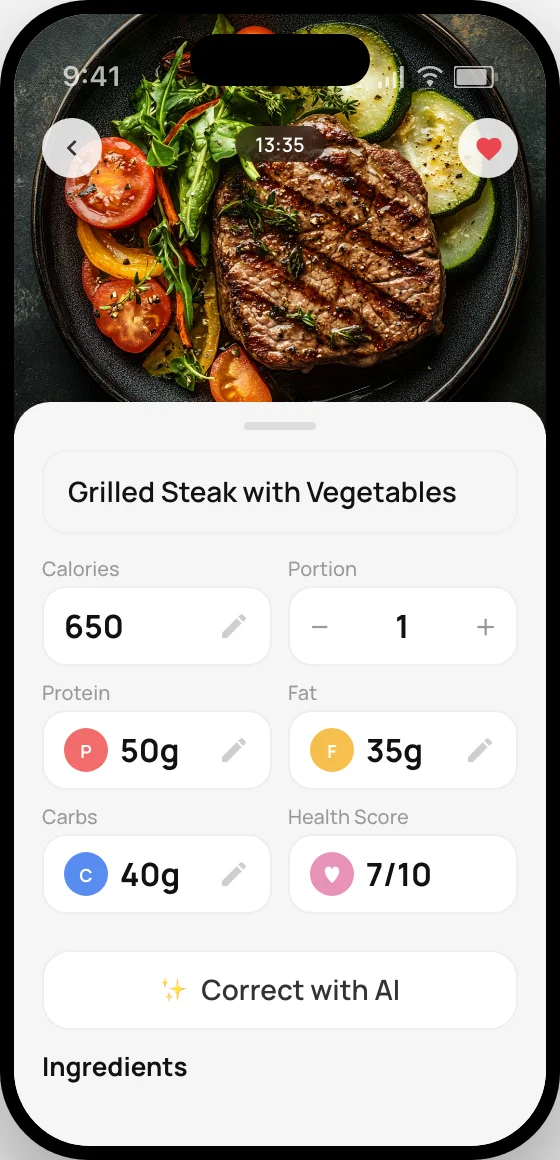
Snap a photo of your meal — CalZen AI instantly calculates calories, protein, carbs, and fat. No manual entry needed.