Despite its name, buckwheat contains no wheat and no gluten — it is a pseudocereal from the rhubarb family that has been a dietary cornerstone across Russia, Japan, and Eastern Europe for centuries. Cooked buckwheat groats deliver 92 kcal per 100 g with a remarkably balanced profile: 3.4 g of protein (including all eight essential amino acids, a rarity among plant foods), 19.9 g of carbohydrates, and just 0.6 g of fat. The 2.7 g of fiber and low glycemic index make it a steady fuel source that avoids the blood sugar rollercoaster of refined grains, while 75.6 g of water keeps each spoonful light and easy to digest.
Magnesium is buckwheat's star mineral at 51 mg per 100 g cooked (about 12% DV), supporting over 300 enzyme reactions including muscle contraction and nerve transmission. Phosphorus (70 mg) partners with calcium in bone mineralization, while potassium (88 mg) helps regulate blood pressure. Niacin (0.94 mg) and pantothenic acid (0.36 mg) drive energy metabolism from all three macronutrient pathways. Iron (0.8 mg) and copper (0.15 mg) collaborate in hemoglobin synthesis — copper is required for iron to be properly incorporated into red blood cells. Manganese (0.4 mg, about 17% DV) activates antioxidant enzymes, zinc (0.61 mg) supports wound healing and immune defense, and selenium (1.5 mcg) protects thyroid tissue. Folate (14 mcg) and B6 (0.08 mg) round out the B-vitamin profile, essential for homocysteine metabolism and cardiovascular health.
Toast raw buckwheat groats in a dry skillet for 3-4 minutes until fragrant and slightly darkened — this is the traditional Russian method for making kasha and deepens the nutty, earthy flavor dramatically. Use a 1:2 groat-to-water ratio, bring to a boil, reduce to low heat, cover, and cook for 15 minutes. Do not stir during cooking or the grains will turn mushy. For Japanese soba noodles, buckwheat flour is mixed with wheat flour and served cold with dipping sauce — a completely different culinary tradition from the same grain. Buckwheat pairs beautifully with mushrooms, caramelized onions, and fresh dill. Store uncooked groats in a cool, dry place for up to six months; cooked buckwheat keeps in the refrigerator for three to four days.
| Nutrient | Per 100 g | Per serving |
|---|---|---|
| Calories | 92 kcal | 155 kcal |
| Protein | 3.4 g | 5.7 g |
| Fat | 0.6 g | 1.0 g |
| Carbohydrates | 19.9 g | 33.4 g |
| Fiber | 2.7 g | 4.5 g |
| Sugar | 0.9 g | 1.5 g |
| Water | 75.6 g | 127.0 g |
| Vitamins & Minerals | ||
| Niacin (B3) | 0.94 mg | 6% |
| Vitamin B6 | 0.08 mg | 5% |
| Folate | 14 µg | 4% |
| Pantothenic Acid (B5) | 0.36 mg | 7% |
| Magnesium | 51 mg | 12% |
| Phosphorus | 70 mg | 6% |
| Potassium | 88 mg | 2% |
| Iron | 0.8 mg | 4% |
| Zinc | 0.61 mg | 6% |
| Copper | 0.15 mg | 17% |
| Manganese | 0.4 mg | 17% |
| Selenium | 1.5 µg | 3% |
| Serving | Calories | Protein | Fat | Carbohydrates |
|---|---|---|---|---|
| 100 g | 92 kcal | 3.4 g | 0.6 g | 19.9 g |
| 1 cup cooked (168 g) | 155 kcal | 5.7 g | 1.0 g | 33.4 g |
| 1 cup dry (170 g) | 156 kcal | 5.8 g | 1.0 g | 33.8 g |
| Food | Calories | Protein | Fat | Carbohydrates |
|---|---|---|---|---|
| Buckwheat (cooked) | 92 kcal | 3.4 g | 0.6 g | 19.9 g |
| Oatmeal (cooked) | 68 kcal | 2.4 g | 1.4 g | 12 g |
| Corn | 86 kcal | 3.3 g | 1.4 g | 18.7 g |
| Millet (cooked) | 119 kcal | 3.5 g | 1 g | 23.7 g |
| Quinoa (cooked) | 120 kcal | 4.4 g | 1.9 g | 21.3 g |
Use our calorie calculator to find your daily calorie needs.
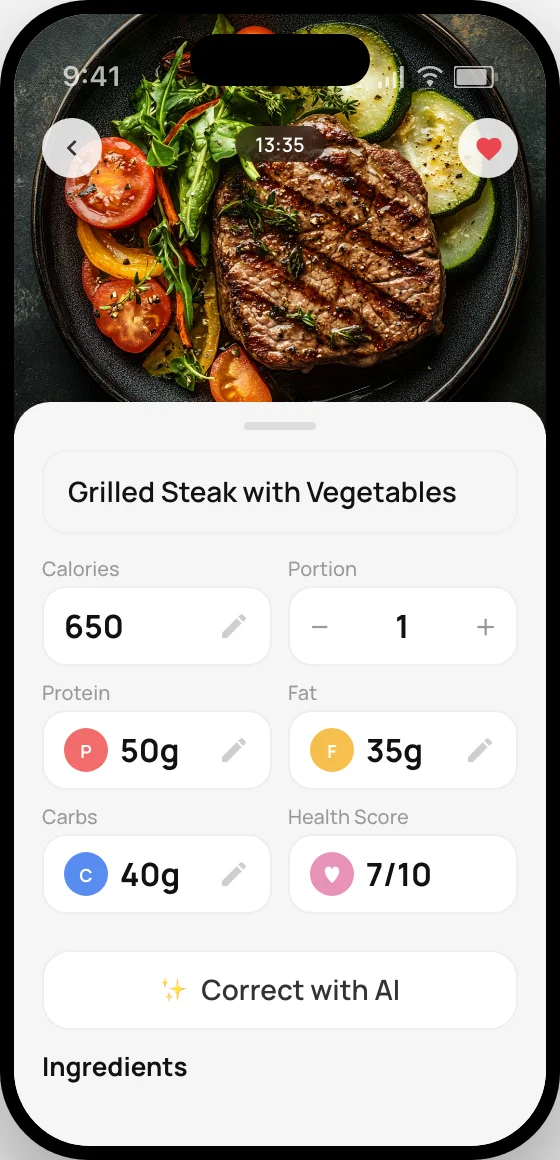
Snap a photo of your meal — CalZen AI instantly calculates calories, protein, carbs, and fat. No manual entry needed.