Turkey Breast — 135 kcal

135
Calories
per 100 g
Protein
30.1 g
Fat
1 g
Carbohydrates
0 g

Turkey breast is one of the lowest-fat protein sources available, with just 1 gram of fat per 100 g. It is exceptionally rich in selenium and niacin, making it a staple for lean-bulking diets.

Protein 93% Fat 7% Carbohydrates 0%

Nutrition Facts

Nutrient Per 100 g Per serving
Calories135 kcal113 kcal
Protein30.1 g25.3 g
Fat1 g0.8 g
Carbohydrates0 g0.0 g
Fiber0 g0.0 g
Sugar0 g0.0 g
Water68.1 g57.2 g
Vitamins & Minerals
Niacin (B3)11.8 mg74%
Vitamin B60.81 mg48%
Vitamin B120.37 µg15%
Pantothenic Acid (B5)0.66 mg13%
Riboflavin (B2)0.14 mg11%
Selenium30.2 µg55%
Phosphorus213 mg17%
Potassium293 mg6%
Zinc2.03 mg18%
Magnesium27 mg6%
Iron1.4 mg8%
Cholesterol83 mg28%
Source: USDA FoodData Central

Serving Calculator

grams
Per 100 g
135
kcal
30.1
Protein
1
Fat
0
Carbohydrates

Similar Foods

View all Meat & Poultry →

Similar Calories from Other Categories

How does the protein in Turkey Breast compare to other meats?
Turkey Breast provides 30.1g of protein per 100g, which is competitive with most other meats. Chicken breast typically offers 31g, beef around 26g, and pork about 27g per 100g. Protein content can vary depending on the cut and preparation method.
Is Turkey Breast lean or fatty?
With 1g of fat per 100g, you can assess where Turkey Breast falls on the lean-to-fatty spectrum. Cuts with under 10g fat per 100g are generally considered lean. Trimming visible fat and choosing grilling or baking over frying can further reduce the fat content.
What is the safe internal cooking temperature for Turkey Breast?
Food-safety guidelines recommend cooking poultry to 74°C (165°F), ground meats to 71°C (160°F), and whole cuts of beef, pork, or lamb to at least 63°C (145°F) with a 3-minute rest. Always use a meat thermometer to verify doneness.
How long can I store Turkey Breast in the fridge or freezer?
Raw Turkey Breast keeps 1–2 days in the refrigerator (0–4°C) and up to 4–12 months in the freezer (-18°C), depending on the cut. Cooked leftovers are safe for 3–4 days refrigerated. Wrap tightly or use airtight containers to prevent freezer burn.
What are the key nutritional benefits of Turkey Breast?
Beyond its 30.1g of protein, Turkey Breast is a source of highly bioavailable iron, zinc, and B vitamins — especially B12, which is found almost exclusively in animal products. A 100g portion supplies 135 kcal along with these essential micronutrients.
★★★★★

Track Turkey Breast with CalZen

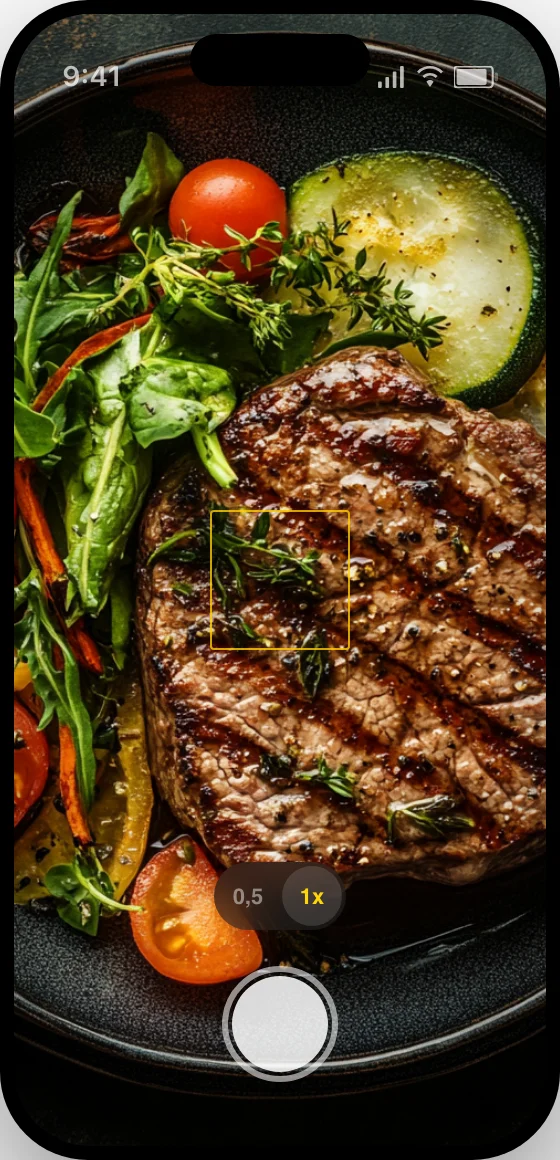
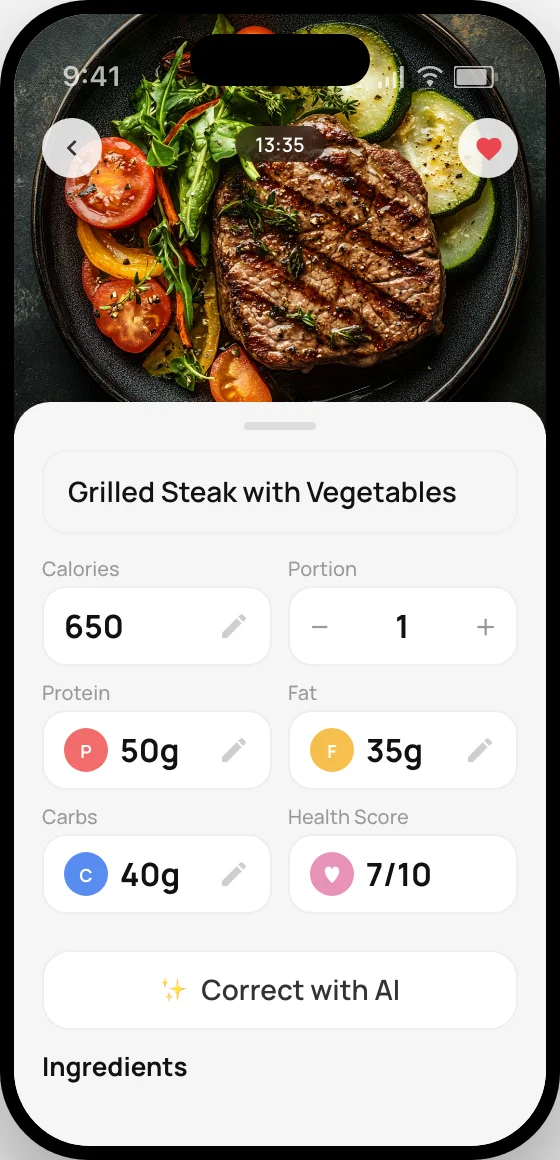
Snap a photo of your meal — CalZen AI instantly calculates calories, protein, carbs, and fat. No manual entry needed.


4.8
App Store
4.7
Google Play
3M+
Users
Download on the App Store Get it on Google Play
CalZen AI camera CalZen nutrition review