Parmesan — 431 kcal

431
Calories
per 100 g
Protein
38.5 g
Fat
28.6 g
Carbohydrates
4.1 g

Aged for at least 12 months, Parmigiano-Reggiano develops intense umami flavor and a crystalline texture. It is one of the most protein-dense cheeses, with 38 grams per 100 g.

Protein 36% Fat 60% Carbohydrates 4%

Nutrition Facts

Nutrient Per 100 g Per serving
Calories431 kcal22 kcal
Protein38.5 g1.9 g
Fat28.6 g1.4 g
Carbohydrates4.1 g0.2 g
Fiber0 g0.0 g
Sugar0.9 g0.0 g
Water29.2 g1.5 g
Vitamins & Minerals
Calcium1184 mg91%
Phosphorus694 mg56%
Sodium1602 mg70%
Zinc2.75 mg25%
Vitamin A0.207 mg23%
Vitamin B121.2 µg50%
Riboflavin (B2)0.332 mg26%
Niacin (B3)0.271 mg2%
Selenium22.5 µg41%
Cholesterol68 mg23%
Magnesium44 mg10%
Potassium92 mg2%
Vitamin K1.7 µg1%
Source: USDA FoodData Central

Serving Calculator

grams
Per 100 g
431
kcal
38.5
Protein
28.6
Fat
4.1
Carbohydrates

Similar Foods

View all Dairy →

Similar Calories from Other Categories

Does Parmesan contain lactose?
Most dairy products contain some lactose, though the amount varies widely. Hard cheeses and yogurt have less due to aging or fermentation. If you are lactose intolerant, check the carbohydrate content — Parmesan has 4.1g carbs per 100g, which includes any lactose present.
How well does the body absorb calcium from Parmesan?
Dairy products like Parmesan have one of the highest calcium bioavailability rates — roughly 30–35% absorption. The natural combination of protein, phosphorus, and vitamin D in dairy enhances calcium uptake. See the micronutrient table above for the exact calcium content.
How does the fat content in Parmesan compare to other dairy?
Parmesan contains 28.6g of fat per 100g. For reference, whole milk has about 3.3g, cheddar cheese around 33g, and Greek yogurt roughly 5g per 100g. Low-fat or skim versions can significantly reduce fat while preserving most of the protein (38.5g/100g).
Does Parmesan contain probiotics?
Fermented dairy products like yogurt, kefir, and certain soft cheeses contain live probiotic cultures that support gut health. Not all dairy is fermented, so check the label for 'live active cultures.' Non-fermented Parmesan still provides 38.5g protein and other nutrients per 100g.
Is the protein in Parmesan high quality?
Dairy protein is considered one of the highest-quality protein sources, scoring near-perfect on the DIAAS (Digestible Indispensable Amino Acid Score). Parmesan provides 38.5g per 100g and contains all essential amino acids, including leucine, which is key for muscle synthesis.
★★★★★

Track Parmesan with CalZen

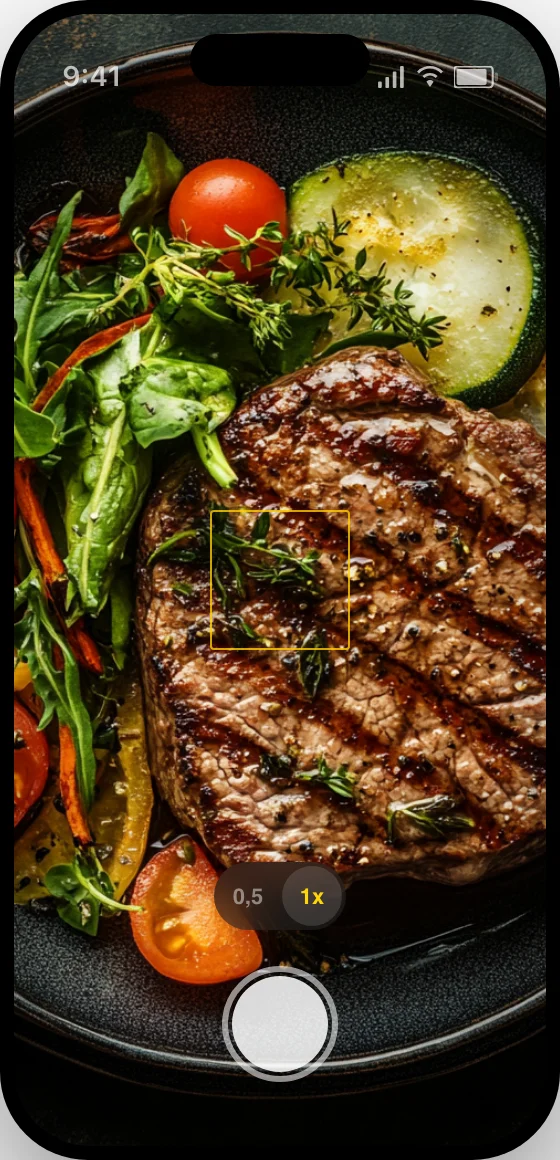
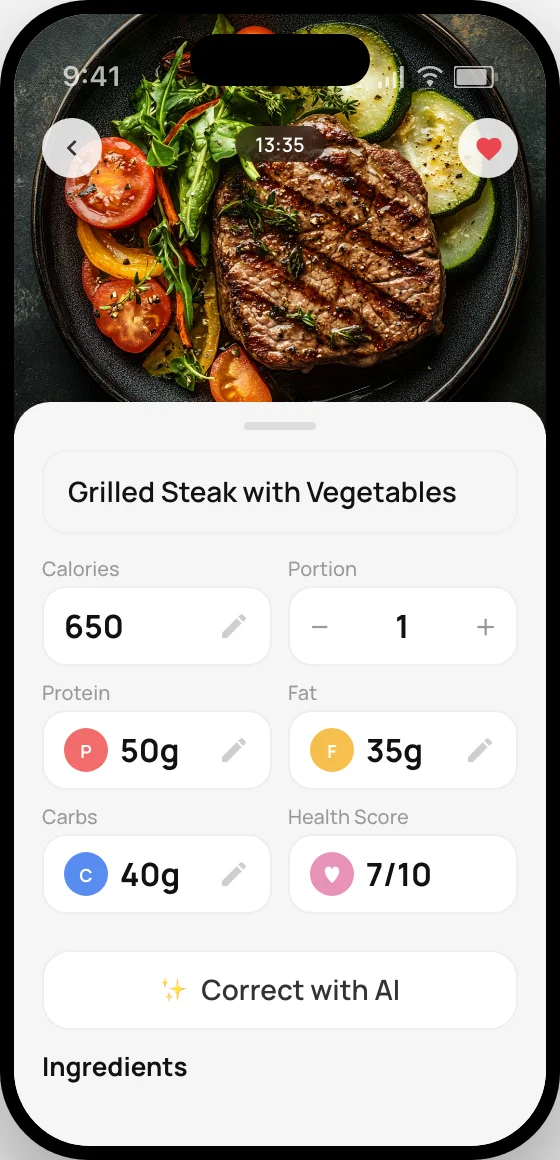
Snap a photo of your meal — CalZen AI instantly calculates calories, protein, carbs, and fat. No manual entry needed.


4.8
App Store
4.7
Google Play
3M+
Users
Download on the App Store Get it on Google Play
CalZen AI camera CalZen nutrition review