Heavy cream is the rich, ivory layer that rises to the top of unhomogenized milk — a luxurious ingredient at 340 kcal per 100 g with 36.1 g of fat, 2.1 g of protein, and 2.8 g of carbohydrates. It is the foundation of whipped cream, ganache, panna cotta, cream sauces, and ice cream — transforming simple dishes into something indulgent with just a splash. In classical French cuisine, cream is considered one of the five mother ingredients, and the ability to handle it properly separates competent cooks from great ones.
Vitamin A leads the micronutrient profile at 411 mcg RAE per 100 g — 46% of the Daily Value — as a preformed retinol that the body uses directly for vision, immune defense, and skin cell turnover. Calcium (65 mg) and phosphorus (62 mg) contribute to bone maintenance, though in smaller amounts per gram than lower-fat dairy due to the high fat proportion. Potassium (97 mg) supports cardiac rhythm and fluid balance, while sodium is modest at 34 mg. Vitamin D (0.6 mcg) aids calcium absorption, and riboflavin (0.112 mg) powers the flavin enzymes in mitochondrial energy production. Vitamin B12 (0.2 mcg) supports nerve integrity. Cholesterol is 137 mg per 100 g, reflecting the concentrated milkfat. The fat in cream is primarily saturated, with smaller fractions of monounsaturated and polyunsaturated fatty acids. Heavy cream also contains conjugated linoleic acid (CLA), a naturally occurring trans fat studied for potential anti-inflammatory and body-composition benefits.
For whipped cream, chill the cream, bowl, and whisk (or beaters) in the freezer for 15 minutes before whipping — cold fat molecules trap air far more effectively. Whip to soft peaks for folding into mousses and to stiff peaks for piping, but stop immediately before it turns granular or you will make butter. One tablespoon of powdered sugar and a splash of vanilla per cup of cream is the classic ratio. When adding cream to hot sauces, temper it first by stirring a spoonful of the hot liquid into the cream, then slowly pouring the warmed cream into the pan — this prevents curdling from thermal shock. Cream reduces beautifully: simmer until it thickens by half for a rich pan sauce, or reduce by two-thirds for a concentrate that coats the back of a spoon. For ganache, pour hot cream over chopped chocolate in a 1:1 ratio by weight and let it sit for 2 minutes before stirring smooth. Store cream in the back of the refrigerator (not the door) and use by the date on the container. Ultra-pasteurized cream lasts longer but whips less reliably due to protein denaturation.
| Nutrient | Per 100 g | Per serving |
|---|---|---|
| Calories | 340 kcal | 51 kcal |
| Protein | 2.1 g | 0.3 g |
| Fat | 36.1 g | 5.4 g |
| Carbohydrates | 2.8 g | 0.4 g |
| Fiber | 0 g | 0.0 g |
| Sugar | 2.9 g | 0.4 g |
| Water | 57.7 g | 8.7 g |
| Vitamins & Minerals | ||
| Vitamin A | 0.411 mg | 46% |
| Calcium | 65 mg | 5% |
| Phosphorus | 62 mg | 5% |
| Potassium | 97 mg | 2% |
| Sodium | 34 mg | 1% |
| Vitamin D | 0.6 µg | 3% |
| Riboflavin (B2) | 0.112 mg | 9% |
| Vitamin B12 | 0.2 µg | 8% |
| Cholesterol | 137 mg | 46% |
| Serving | Calories | Protein | Fat | Carbohydrates |
|---|---|---|---|---|
| 100 g | 340 kcal | 2.1 g | 36.1 g | 2.8 g |
| 1 tbsp (15 g) | 51 kcal | 0.3 g | 5.4 g | 0.4 g |
| 1 cup (240 g) | 816 kcal | 5.0 g | 86.6 g | 6.7 g |
| Food | Calories | Protein | Fat | Carbohydrates |
|---|---|---|---|---|
| Heavy Cream | 340 kcal | 2.1 g | 36.1 g | 2.8 g |
| Greek Yogurt | 59 kcal | 10.2 g | 0.7 g | 3.6 g |
| Milk (whole) | 61 kcal | 3.2 g | 3.3 g | 4.8 g |
| Kefir | 63 kcal | 3.3 g | 3.5 g | 4.7 g |
| Cottage Cheese | 98 kcal | 11.1 g | 4.3 g | 3.4 g |
Use our calorie calculator to find your daily calorie needs.
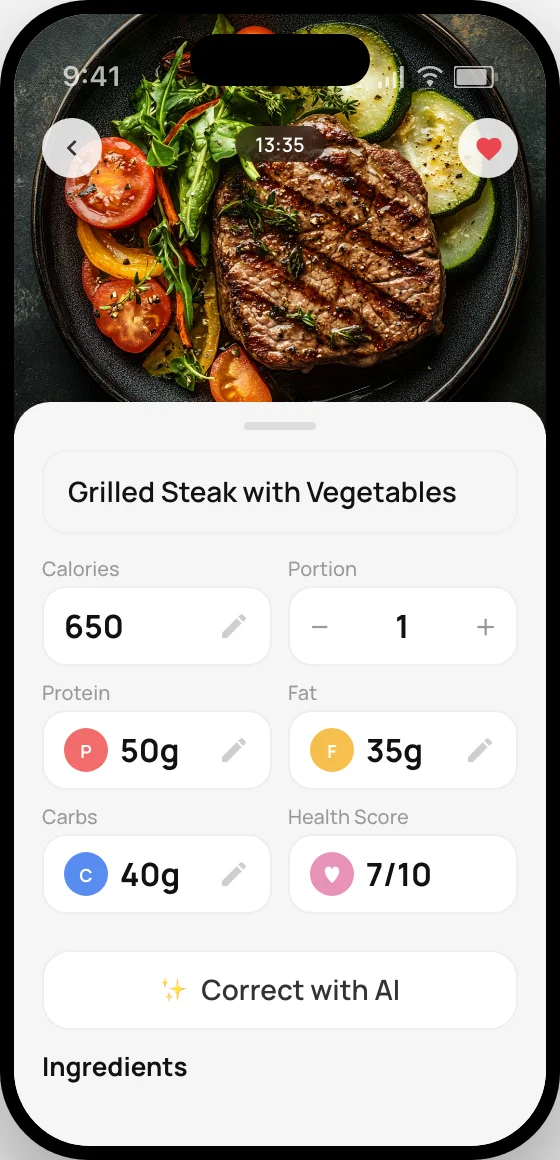
Snap a photo of your meal — CalZen AI instantly calculates calories, protein, carbs, and fat. No manual entry needed.