Egg — 155 kcal

155
Calories
per 100 g
Protein
12.6 g
Fat
11.3 g
Carbohydrates
1.1 g

Eggs are one of the most nutritionally complete foods, supplying all essential amino acids plus choline and vitamin D. The yolk contains most of the vitamins, including hard-to-find vitamin B12.

Protein 32% Fat 65% Carbohydrates 3%

Nutrition Facts

Nutrient Per 100 g Per serving
Calories155 kcal78 kcal
Protein12.6 g6.3 g
Fat11.3 g5.7 g
Carbohydrates1.1 g0.6 g
Fiber0 g0.0 g
Sugar1.1 g0.6 g
Water75.8 g37.9 g
Vitamins & Minerals
Calcium56 mg4%
Phosphorus198 mg16%
Potassium138 mg3%
Sodium142 mg6%
Zinc1.29 mg12%
Iron1.75 mg10%
Selenium30.7 µg56%
Vitamin A0.16 mg18%
Vitamin D2 µg10%
Vitamin B120.89 µg37%
Riboflavin (B2)0.457 mg35%
Folate47 µg12%
Vitamin B60.17 mg10%
Pantothenic Acid (B5)1.533 mg31%
Cholesterol372 mg124%
Source: USDA FoodData Central

Serving Calculator

grams
Per 100 g
155
kcal
12.6
Protein
11.3
Fat
1.1
Carbohydrates

Similar Foods

View all Eggs & Legumes →

Similar Calories from Other Categories

Is the protein in Egg complete?
Egg provides 12.6g of plant protein per 100g, but like most legumes, it is low in the amino acid methionine. Combining it with grains (rice, bread) over the course of the day creates a complete amino acid profile. Soy is the exception — it is complete on its own.
How much fiber does Egg provide?
Egg contains 0g of fiber per 100g — one of the richest fiber sources among whole foods. This fiber supports digestion, helps regulate blood sugar, and promotes lasting satiety, all for 155 kcal per 100g.
How should I prepare Egg for best results?
Dried legumes benefit from soaking for 8–12 hours before cooking, which reduces cooking time and improves digestibility. Discard the soaking water, then simmer in fresh water until tender. Canned Egg is a convenient pre-cooked alternative — just rinse to reduce sodium.
How can I reduce gas and bloating from eating Egg?
Gradually increasing your intake over a few weeks allows gut bacteria to adapt. Soaking dried Egg and discarding the water removes some gas-producing oligosaccharides. Adding digestive spices like cumin or ginger, and chewing thoroughly, also help.
Can Egg replace meat as a protein source?
With 12.6g of protein and 0g of fiber per 100g, Egg is a strong plant-based protein source. While the protein density is lower than meat, legumes provide additional fiber and phytonutrients. Combining with whole grains ensures you get all essential amino acids.
★★★★★

Track Egg with CalZen

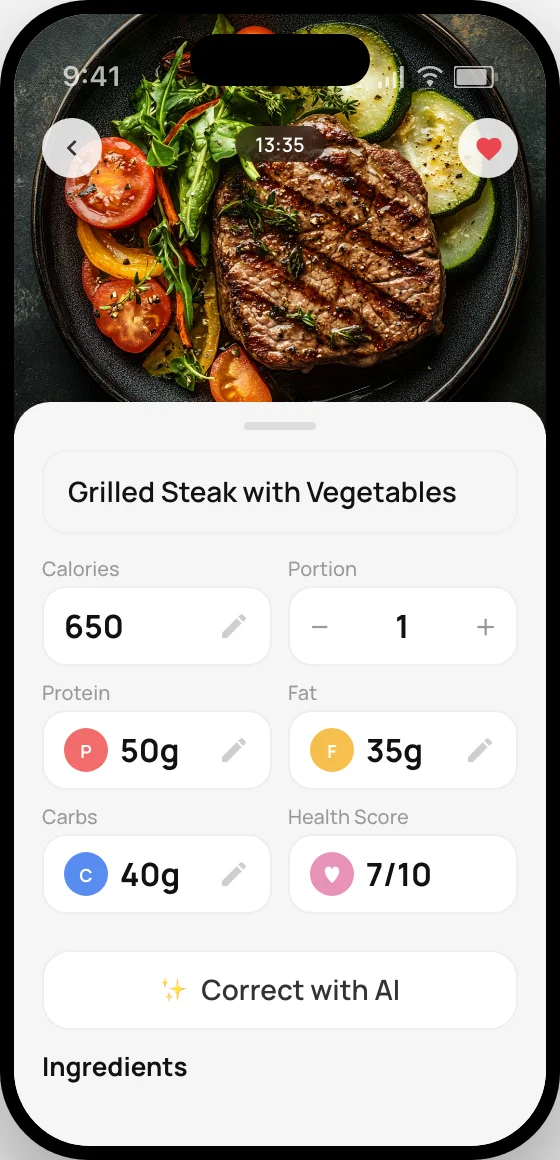
Snap a photo of your meal — CalZen AI instantly calculates calories, protein, carbs, and fat. No manual entry needed.


4.8
App Store
4.7
Google Play
3M+
Users
Download on the App Store Get it on Google Play
CalZen AI camera CalZen nutrition review