Sardine — 208 kcal

208
Calories
per 100 g
Protein
24.6 g
Fat
11.5 g
Carbohydrates
0 g

Eaten bones and all, canned sardines are a rare non-dairy source of highly absorbable calcium. They also deliver exceptional amounts of vitamin B12 and selenium in a small serving.

Protein 49% Fat 51% Carbohydrates 0%

Nutrition Facts

Nutrient Per 100 g Per serving
Calories208 kcal191 kcal
Protein24.6 g22.6 g
Fat11.5 g10.6 g
Carbohydrates0 g0.0 g
Fiber0 g0.0 g
Sugar0 g0.0 g
Water59.6 g54.8 g
Vitamins & Minerals
Vitamin B128.94 µg373%
Vitamin D4.8 µg24%
Niacin (B3)5.24 mg33%
Vitamin B60.17 mg10%
Riboflavin (B2)0.23 mg18%
Calcium382 mg29%
Selenium52.7 µg96%
Phosphorus490 mg39%
Potassium397 mg8%
Iron2.92 mg16%
Zinc1.31 mg12%
Magnesium39 mg9%
Sodium307 mg13%
Cholesterol142 mg47%
Source: USDA FoodData Central

Serving Calculator

grams
Per 100 g
208
kcal
24.6
Protein
11.5
Fat
0
Carbohydrates

Similar Foods

View all Fish & Seafood →

Similar Calories from Other Categories

Is Sardine a good source of omega-3 fatty acids?
Fatty fish like salmon, mackerel, and sardines are among the richest food sources of omega-3s (EPA and DHA). Sardine contains 11.5g total fat per 100g; fattier fish generally provide 1–2g of omega-3s per serving. Check the micronutrient table above for details.
Should I worry about mercury in Sardine?
Mercury levels vary by species. Large predatory fish (swordfish, king mackerel, shark) tend to accumulate more mercury, while smaller species like salmon, sardines, and tilapia are low-mercury choices. Most adults can safely eat 2–3 servings of low-mercury fish per week.
Is fresh Sardine better than canned?
Canned and fresh Sardine are nutritionally similar — canning preserves protein (24.6g/100g) and omega-3 fats effectively. Canned fish may be higher in sodium, so look for low-sodium varieties. It is also more affordable and has a longer shelf life.
What is the healthiest way to cook Sardine?
Baking, grilling, steaming, and poaching are the healthiest methods — they keep the calorie count close to the raw value of 208 kcal/100g without adding extra fat. Avoid deep-frying, which can more than double the calorie content.
How much protein does Sardine provide?
Sardine delivers 24.6g of protein per 100g, making it one of the highest-quality protein sources available. Fish protein is easily digestible and contains all essential amino acids. A single fillet provides a substantial portion of your daily protein needs.
★★★★★

Track Sardine with CalZen

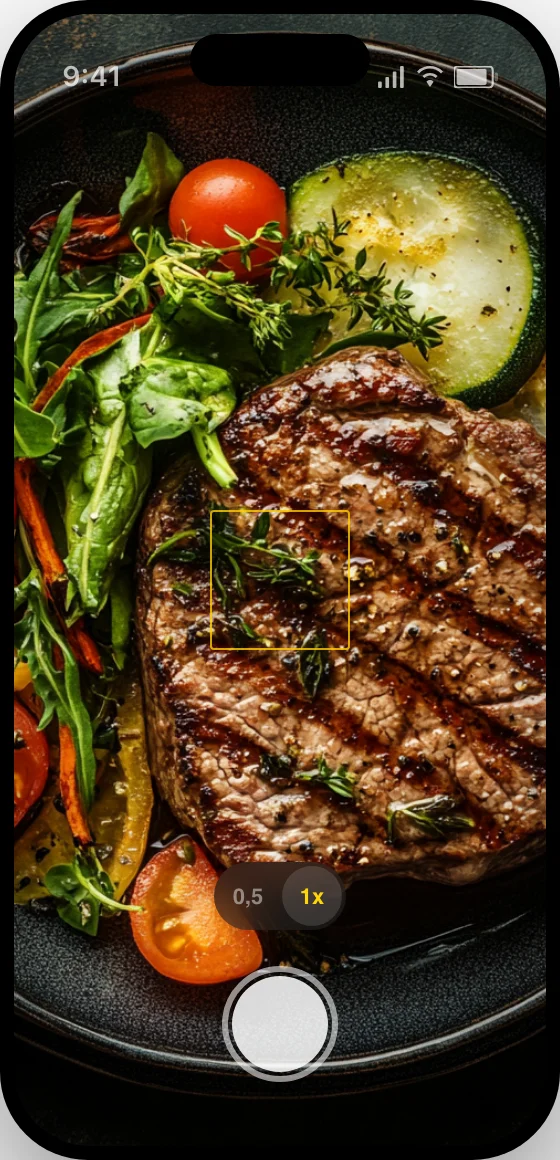
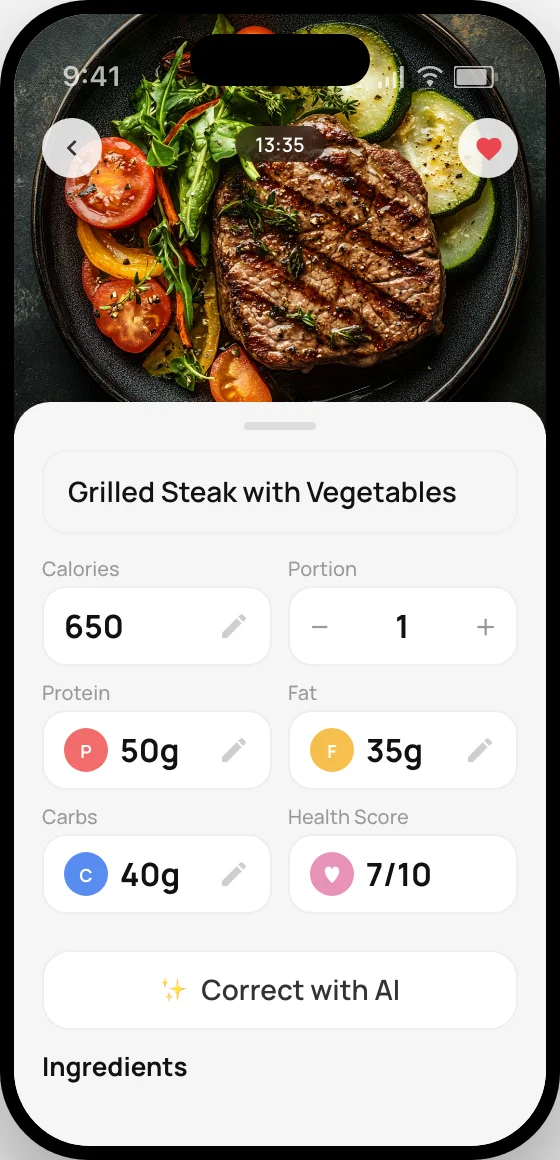
Snap a photo of your meal — CalZen AI instantly calculates calories, protein, carbs, and fat. No manual entry needed.


4.8
App Store
4.7
Google Play
3M+
Users
Download on the App Store Get it on Google Play
CalZen AI camera CalZen nutrition review