Hummus — 166 kcal

166
Calories
per 100 g
Protein
7.9 g
Fat
9.6 g
Carbohydrates
14.3 g

A Middle Eastern staple for thousands of years, hummus blends chickpeas, tahini, lemon, and garlic into a creamy dip. It supplies plant protein, fiber, and healthy fats in every scoop.

Protein 18% Fat 49% Carbohydrates 33%

Nutrition Facts

Nutrient Per 100 g Per serving
Calories166 kcal25 kcal
Protein7.9 g1.2 g
Fat9.6 g1.4 g
Carbohydrates14.3 g2.1 g
Fiber6 g0.9 g
Sugar0.3 g0.0 g
Water64.9 g9.7 g
Vitamins & Minerals
Iron2.4 mg13%
Folate83 µg21%
Magnesium71 mg17%
Potassium228 mg5%
Phosphorus176 mg14%
Zinc1.4 mg13%
Copper0.22 mg24%
Vitamin B60.2 mg12%
Sodium379 mg16%
Source: USDA FoodData Central

Serving Calculator

grams
Per 100 g
166
kcal
7.9
Protein
9.6
Fat
14.3
Carbohydrates

Similar Foods

View all Popular Foods →

Similar Calories from Other Categories

Is homemade Hummus healthier than store-bought?
Homemade versions generally have fewer preservatives, less sodium, and no artificial additives. You can also control the fat and sugar content. Store-bought Hummus is convenient but check the label — nutritional values may differ from the 166 kcal/100g listed here for a standard recipe.
What is the recommended portion size for Hummus?
A standard serving of Hummus provides about 25 kcal. Prepared foods can be calorie-dense, so measuring portions rather than eating directly from a package helps manage intake. Using a kitchen scale is the most accurate method.
How often can I eat Hummus?
At 166 kcal per 100g with 9.6g fat and 14.3g carbs, Hummus can fit into a balanced diet when consumed in moderation. The frequency depends on your overall daily calorie target and the rest of your meals. Track it with CalZen to see how it fits.
What are healthier alternatives to Hummus?
Look for versions with less added sugar, lower sodium, or whole-grain ingredients. Baked instead of fried, grilled instead of breaded — small swaps can significantly reduce calories and fat while preserving flavor. Compare labels to find options closer to your nutrition goals.
How should I store leftover Hummus?
Refrigerate leftover Hummus within 2 hours of cooking in a sealed container. Most prepared dishes stay safe for 3–4 days at 0–4°C. For longer storage, freeze in portion-sized containers for up to 2–3 months. Always reheat to at least 74°C (165°F) before eating.
★★★★★

Track Hummus with CalZen

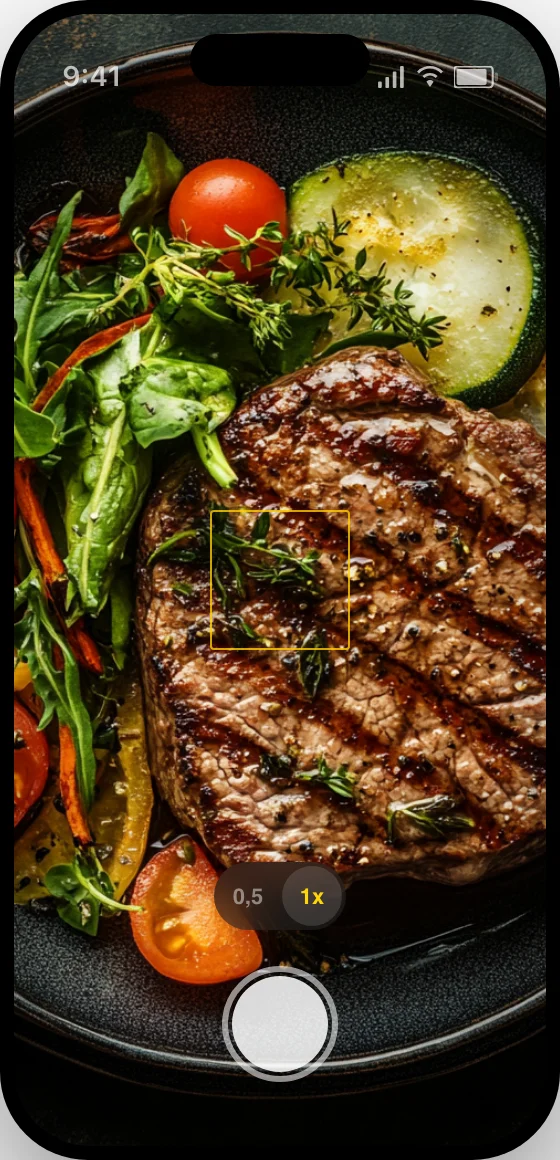
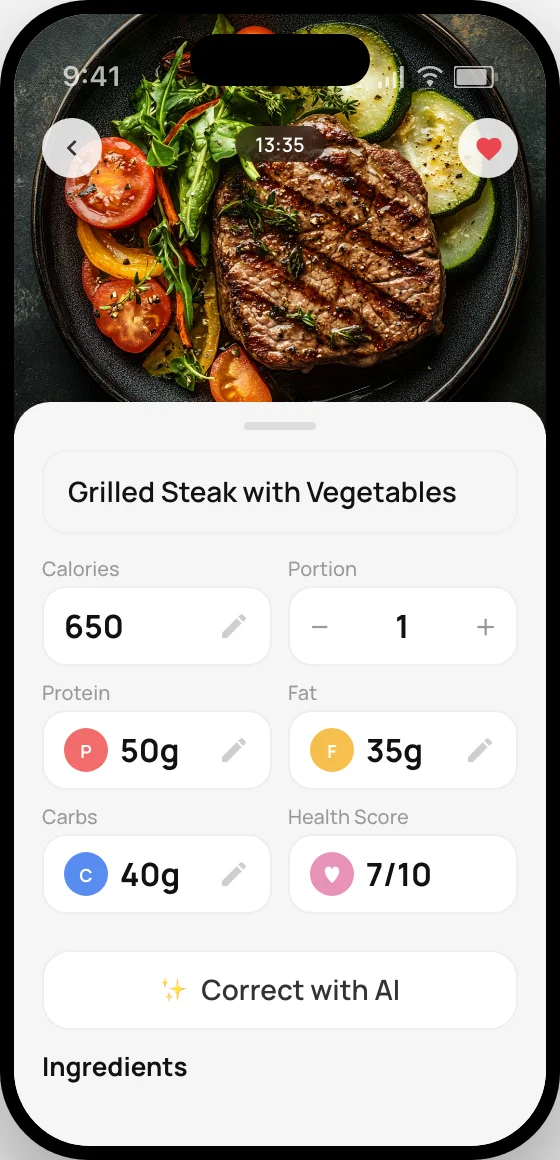
Snap a photo of your meal — CalZen AI instantly calculates calories, protein, carbs, and fat. No manual entry needed.


4.8
App Store
4.7
Google Play
3M+
Users
Download on the App Store Get it on Google Play
CalZen AI camera CalZen nutrition review