Corn — 86 kcal

86
Calories
per 100 g
Protein
3.3 g
Fat
1.4 g
Carbohydrates
18.7 g

Corn is both a vegetable and a cereal grain, supplying lutein and zeaxanthin — carotenoids important for eye health. Sweet corn on the cob is a popular summer side dish across the Americas.

Protein 13% Fat 13% Carbohydrates 74%

Nutrition Facts

Nutrient Per 100 g Per serving
Calories86 kcal77 kcal
Protein3.3 g3.0 g
Fat1.4 g1.3 g
Carbohydrates18.7 g16.8 g
Fiber2 g1.8 g
Sugar6.3 g5.7 g
Water75.9 g68.3 g
Vitamins & Minerals
Vitamin C6.8 mg8%
Thiamin (B1)0.16 mg13%
Niacin (B3)1.77 mg11%
Vitamin B60.06 mg4%
Folate46 µg12%
Pantothenic Acid (B5)0.72 mg14%
Magnesium37 mg9%
Phosphorus89 mg7%
Potassium270 mg6%
Iron0.52 mg3%
Zinc0.46 mg4%
Manganese0.16 mg7%
Source: USDA FoodData Central

Serving Calculator

grams
Per 100 g
86
kcal
3.3
Protein
1.4
Fat
18.7
Carbohydrates

Similar Foods

View all Grains & Cereals →

Similar Calories from Other Categories

What is the glycemic index of Corn?
The glycemic index of grains varies widely depending on processing and preparation. Whole-grain versions of Corn generally have a lower GI than refined counterparts. With 18.7g of carbs and 2g of fiber per 100g, the fiber content helps moderate blood-sugar response.
Does Corn contain gluten?
Gluten content depends on the specific grain. Wheat, barley, and rye contain gluten, while rice, oats (if certified), quinoa, and corn are naturally gluten-free. Check the ingredient list for Corn if you have celiac disease or gluten sensitivity.
Why is fiber in Corn important?
Corn provides 2g of fiber per 100g, which supports healthy digestion, helps maintain steady blood sugar levels, and promotes satiety. Adults need 25–30g of fiber daily, so including fiber-rich grains is an effective way to reach that target.
What is the best way to cook Corn?
Most grains benefit from rinsing before cooking to remove surface starch. Use the appropriate water-to-grain ratio (typically 2:1 for most grains) and simmer covered until the liquid is absorbed. Cooked Corn provides about 86 kcal per 100g of dry weight.
Is whole-grain Corn healthier than refined?
Whole-grain versions retain the bran and germ, which contribute more fiber, B vitamins, and minerals. Refined grains have a lighter texture but lose much of their nutritional value. Whenever possible, choosing whole-grain Corn gives you more nutrients per 86 kcal.
★★★★★

Track Corn with CalZen

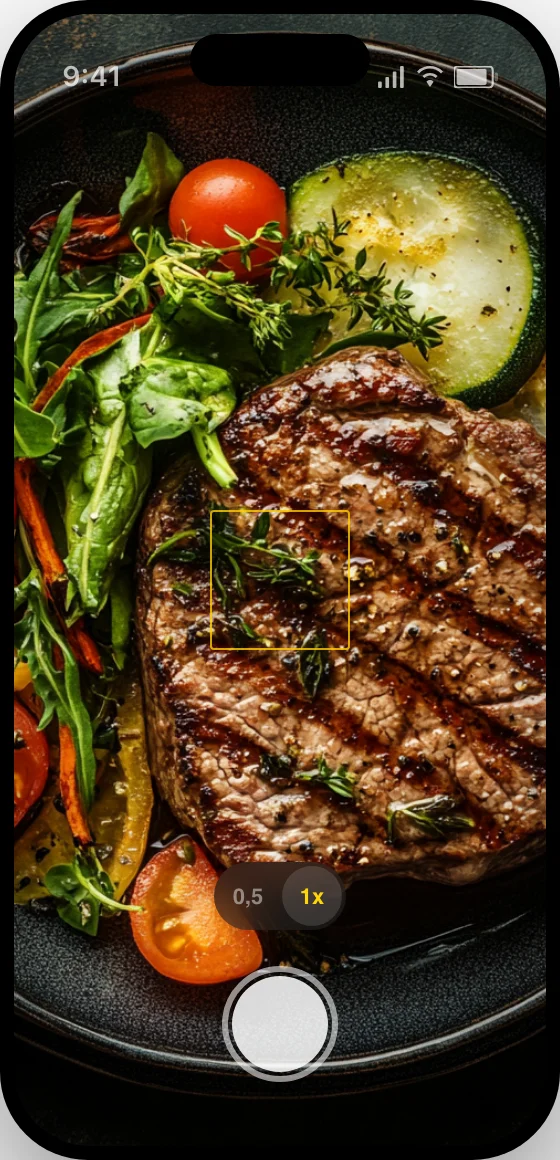
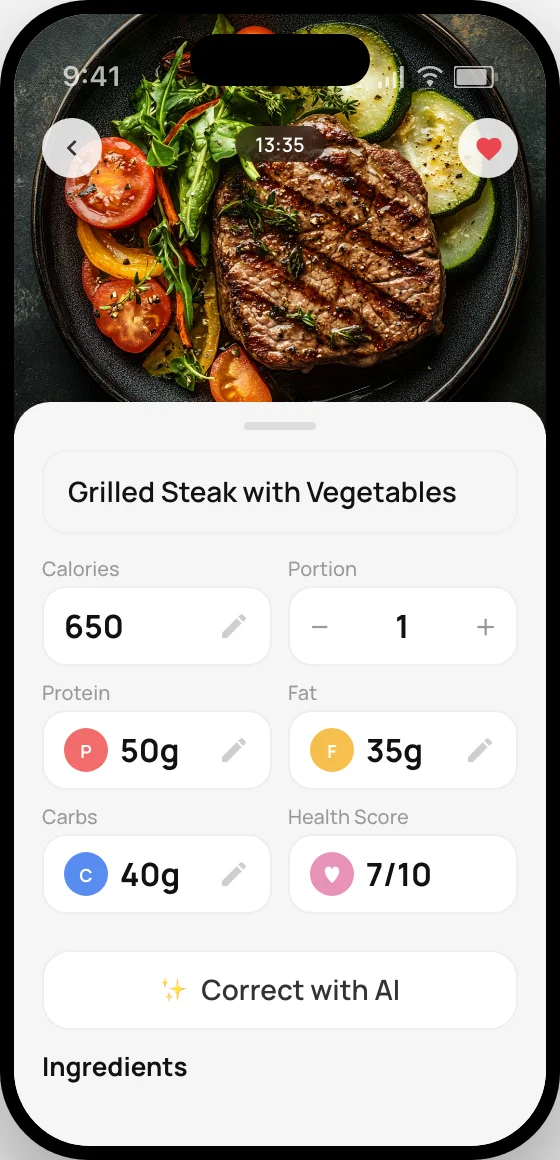
Snap a photo of your meal — CalZen AI instantly calculates calories, protein, carbs, and fat. No manual entry needed.


4.8
App Store
4.7
Google Play
3M+
Users
Download on the App Store Get it on Google Play
CalZen AI camera CalZen nutrition review