Sunflower seeds are one of nature's most concentrated nutrient packages — 584 kcal per 100 g packed with 20.8 g of protein, 51.5 g of fat (mostly linoleic acid, an essential omega-6), 20 g of carbohydrates, and 8.6 g of fiber. Sunflowers are native to North America, where Indigenous peoples cultivated them for over 5,000 years before they spread to Russia and became a national obsession. Today, these tiny seeds are a staple of trail mixes, salad bars, and baseball dugouts alike, delivering serious nutrition in a portable, no-refrigeration-needed format with just 4.7 g of water.
Vitamin E is sunflower seeds' defining nutrient at 35.17 mg per 100 g (234% DV) — the highest concentration of any commonly eaten food. This fat-soluble antioxidant protects cell membranes from lipid peroxidation and supports immune function. Selenium (53 mcg, 96% DV) powers the glutathione peroxidase antioxidant system. Thiamin (1.48 mg, 123% DV) is essential for nerve function and carbohydrate metabolism. B6 (1.345 mg, 79% DV) supports neurotransmitter synthesis and over 100 enzyme reactions. Magnesium (325 mg, 77% DV) relaxes blood vessels and improves insulin sensitivity. Phosphorus (660 mg, 94% DV) builds bones and powers ATP production. Niacin (8.335 mg, 52% DV) and folate (227 mcg, 57% DV) drive energy metabolism and DNA synthesis. Iron (5.25 mg, 29% DV), zinc (5 mg, 45% DV), copper (1.8 mg, 200% DV), manganese (1.95 mg, 85% DV), and potassium (645 mg) complete a mineral profile that few whole foods can rival.
Buy raw, unsalted seeds and toast them yourself at 160°C (325°F) for 8-10 minutes — commercial pre-roasted seeds are often cooked in low-quality oils and loaded with sodium. For sprouted sunflower seeds (a raw-food staple), soak overnight and drain twice daily for 1-2 days until tiny tails appear — sprouting reduces phytic acid and increases mineral bioavailability. Sunflower seed butter is an excellent peanut-free alternative for allergy-conscious households; blend roasted seeds in a food processor for 8-10 minutes until smooth. Sprinkle on salads, yogurt, or oatmeal for instant crunch. Store seeds in the refrigerator to prevent rancidity — they will keep for 4-6 months chilled versus just 2-3 months at room temperature.
| Nutrient | Per 100 g | Per serving |
|---|---|---|
| Calories | 584 kcal | 164 kcal |
| Protein | 20.8 g | 5.8 g |
| Fat | 51.5 g | 14.4 g |
| Carbohydrates | 20 g | 5.6 g |
| Fiber | 8.6 g | 2.4 g |
| Sugar | 2.6 g | 0.7 g |
| Water | 4.7 g | 1.3 g |
| Vitamins & Minerals | ||
| Magnesium | 325 mg | 77% |
| Phosphorus | 660 mg | 53% |
| Potassium | 645 mg | 14% |
| Zinc | 5 mg | 45% |
| Copper | 1.8 mg | 200% |
| Manganese | 1.95 mg | 85% |
| Iron | 5.25 mg | 29% |
| Vitamin E | 35.17 mg | 234% |
| Thiamin (B1) | 1.48 mg | 123% |
| Niacin (B3) | 8.335 mg | 52% |
| Vitamin B6 | 1.345 mg | 79% |
| Folate | 227 µg | 57% |
| Selenium | 53 µg | 96% |
| Serving | Calories | Protein | Fat | Carbohydrates |
|---|---|---|---|---|
| 100 g | 584 kcal | 20.8 g | 51.5 g | 20 g |
| 1 oz (28g) (28 g) | 164 kcal | 5.8 g | 14.4 g | 5.6 g |
| 1 cup (128 g) | 748 kcal | 26.6 g | 65.9 g | 25.6 g |
| Handful (30 g) | 175 kcal | 6.2 g | 15.4 g | 6.0 g |
| Food | Calories | Protein | Fat | Carbohydrates |
|---|---|---|---|---|
| Sunflower Seeds | 584 kcal | 20.8 g | 51.5 g | 20 g |
| Chia Seeds | 486 kcal | 16.5 g | 30.7 g | 42.1 g |
| Flaxseed | 534 kcal | 18.3 g | 42.2 g | 28.9 g |
| Cashews | 553 kcal | 18.2 g | 43.9 g | 30.2 g |
| Pistachios | 560 kcal | 20.2 g | 45.3 g | 27.2 g |
Use our calorie calculator to find your daily calorie needs.
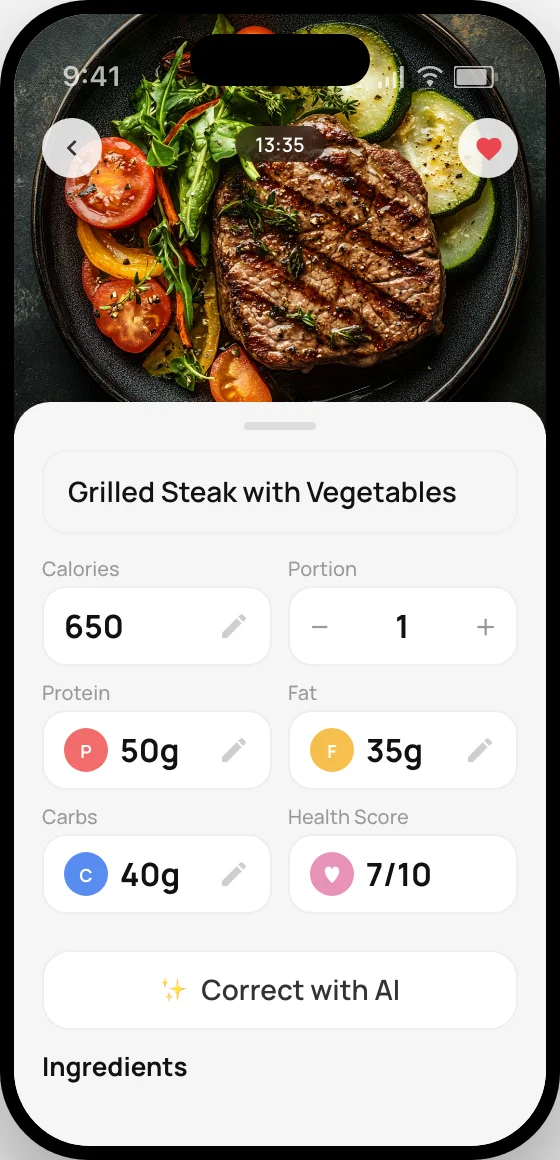
Snap a photo of your meal — CalZen AI instantly calculates calories, protein, carbs, and fat. No manual entry needed.