Peanuts — 567 kcal

567
Calories
per 100 g
Protein
25.8 g
Fat
49.2 g
Carbohydrates
16.1 g

Technically a legume rather than a tree nut, peanuts pack 25 grams of protein per 100 g — more than any true nut. They are also rich in niacin and folate.

Protein 17% Fat 73% Carbohydrates 10%

Nutrition Facts

Nutrient Per 100 g Per serving
Calories567 kcal159 kcal
Protein25.8 g7.2 g
Fat49.2 g13.8 g
Carbohydrates16.1 g4.5 g
Fiber8.5 g2.4 g
Sugar4.7 g1.3 g
Water6.5 g1.8 g
Vitamins & Minerals
Magnesium168 mg40%
Phosphorus376 mg30%
Potassium705 mg15%
Zinc3.27 mg30%
Copper1.14 mg127%
Manganese1.93 mg84%
Iron4.58 mg25%
Niacin (B3)12.07 mg75%
Vitamin E8.33 mg56%
Folate240 µg60%
Thiamin (B1)0.64 mg53%
Vitamin B60.348 mg20%
Source: USDA FoodData Central

Serving Calculator

grams
Per 100 g
567
kcal
25.8
Protein
49.2
Fat
16.1
Carbohydrates

Similar Foods

View all Nuts & Seeds →

Similar Calories from Other Categories

What types of healthy fats are in Peanuts?
Peanuts contains 49.2g of total fat per 100g, predominantly unsaturated fats — both monounsaturated (MUFA) and polyunsaturated (PUFA). These fats support heart health by helping lower LDL cholesterol. Saturated fat is present in smaller amounts.
What is a proper portion size for Peanuts?
Because nuts are calorie-dense at 567 kcal per 100g, a standard recommended portion is about 28–30g (roughly a small handful). That single serving provides around 159 kcal, which is enough to get the health benefits without excess calorie intake.
Is Peanuts safe for people with nut allergies?
Tree nut and peanut allergies are among the most common food allergies and can cause severe reactions. If you have a diagnosed nut allergy, avoid Peanuts and products that may contain traces of it. Always read labels carefully for cross-contamination warnings.
How should I store Peanuts to prevent them going rancid?
The high fat content (49.2g/100g) in Peanuts makes it prone to oxidation. Store in an airtight container in a cool, dark place for up to 3 months, or in the refrigerator for 6 months. Freezing extends shelf life to about a year.
What is the omega-6 to omega-3 ratio in Peanuts?
Most nuts have a higher ratio of omega-6 to omega-3 fatty acids. Walnuts are the notable exception, with a favorable balance. Peanuts has 49.2g total fat per 100g — for the exact fatty acid breakdown, refer to the detailed nutrition table above.
★★★★★

Track Peanuts with CalZen

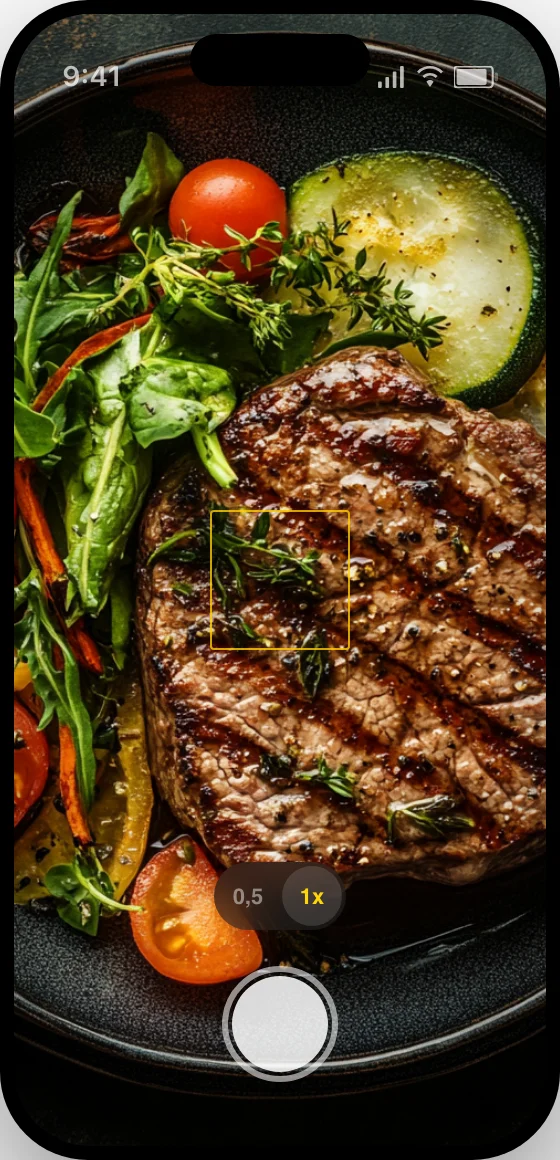
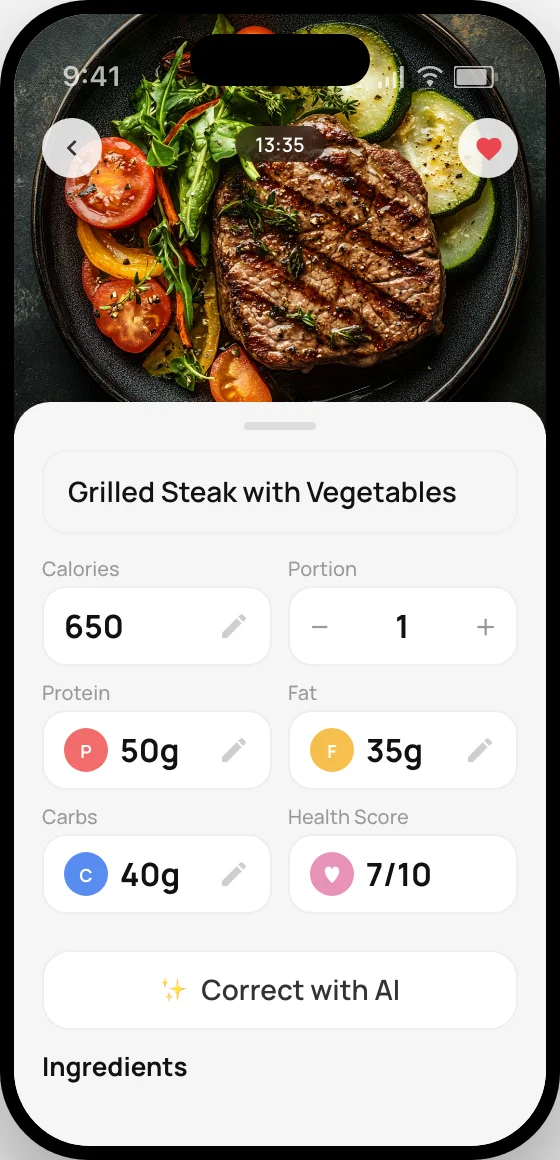
Snap a photo of your meal — CalZen AI instantly calculates calories, protein, carbs, and fat. No manual entry needed.


4.8
App Store
4.7
Google Play
3M+
Users
Download on the App Store Get it on Google Play
CalZen AI camera CalZen nutrition review